
SHOT SHOW | CASE STUDY | FIREARMS & OUTDOOR INDUSTRY$300K+ in Pipeline From One Person on a Trade Show Floor
How Harbor BD turned 50 conversations at SHOT Show into a measurable, repeatable pipeline event.
Snapshot
Event
SHOT Show 2026
Industry
Firearms, hunting, outdoor, and law enforcement
Location
Las Vegas, NV | Venetian Expo and Caesars Forum
Dates
January 21–23, 2026
Purpose
Provide on-site support and conduct networking on behalf of an exhibit house.
Team On Site
One Harbor BD operator
Booth
None. Floor-only execution.
Investment
$5,600 for at-show execution and post-show follow-up, plus approximately $1,200 in travel
The Result
-
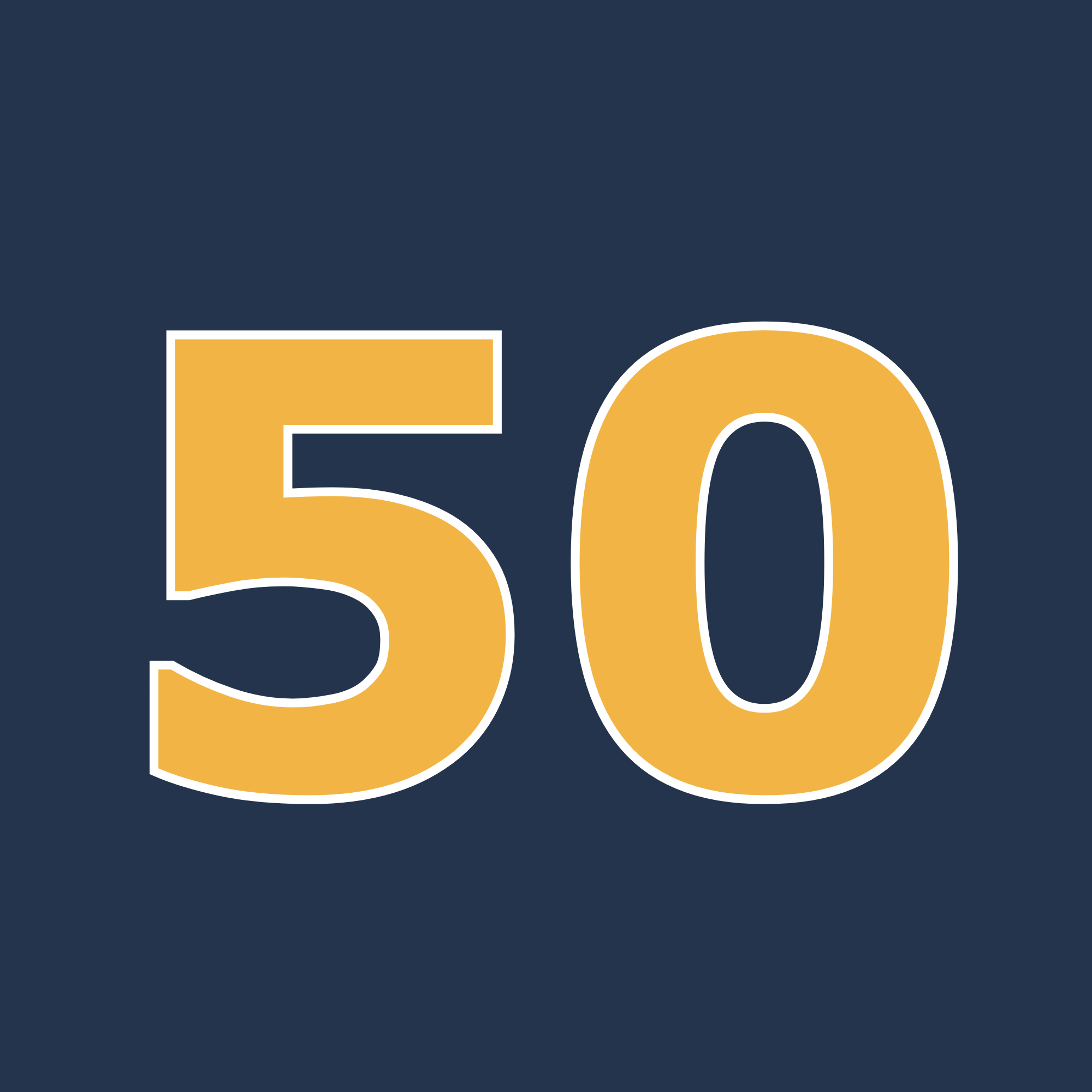
Floor Conversations
-

Appointments Booked
-
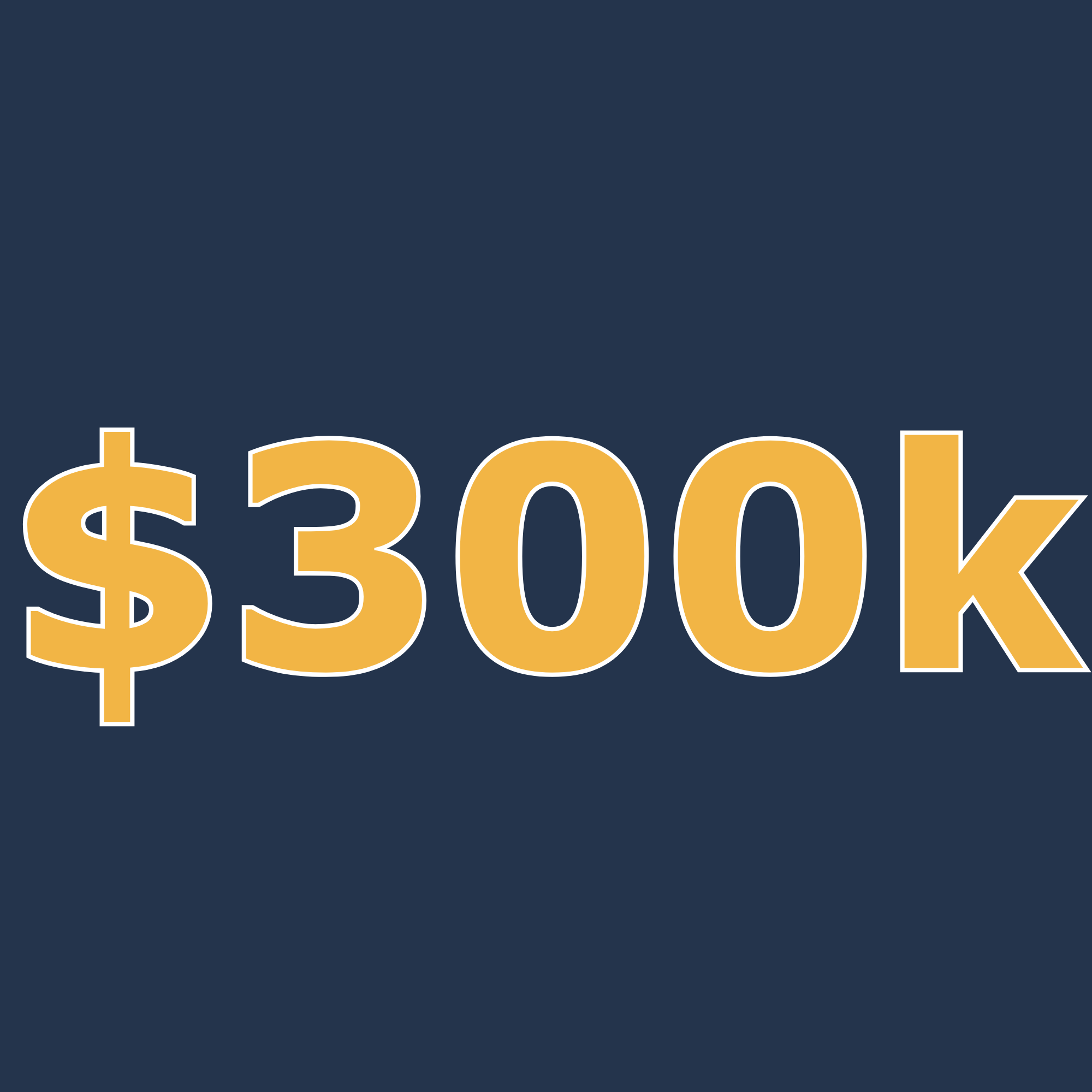
Pipeline Generated
Seven meetings booked on-site or immediately after the show. Four additional meetings booked post-show. Pipeline expected to convert at 30-35% based on historical norms, translating to approximately $100,000 in expected closed revenue from a single trade show appearance.
“Most exhibitors are way more passive than they think they are. Big setups, demos running, nice branding. And the team is just standing there waiting for people to walk up.”
— Clayton Gilvar, Founder, Harbor BD
The Setup
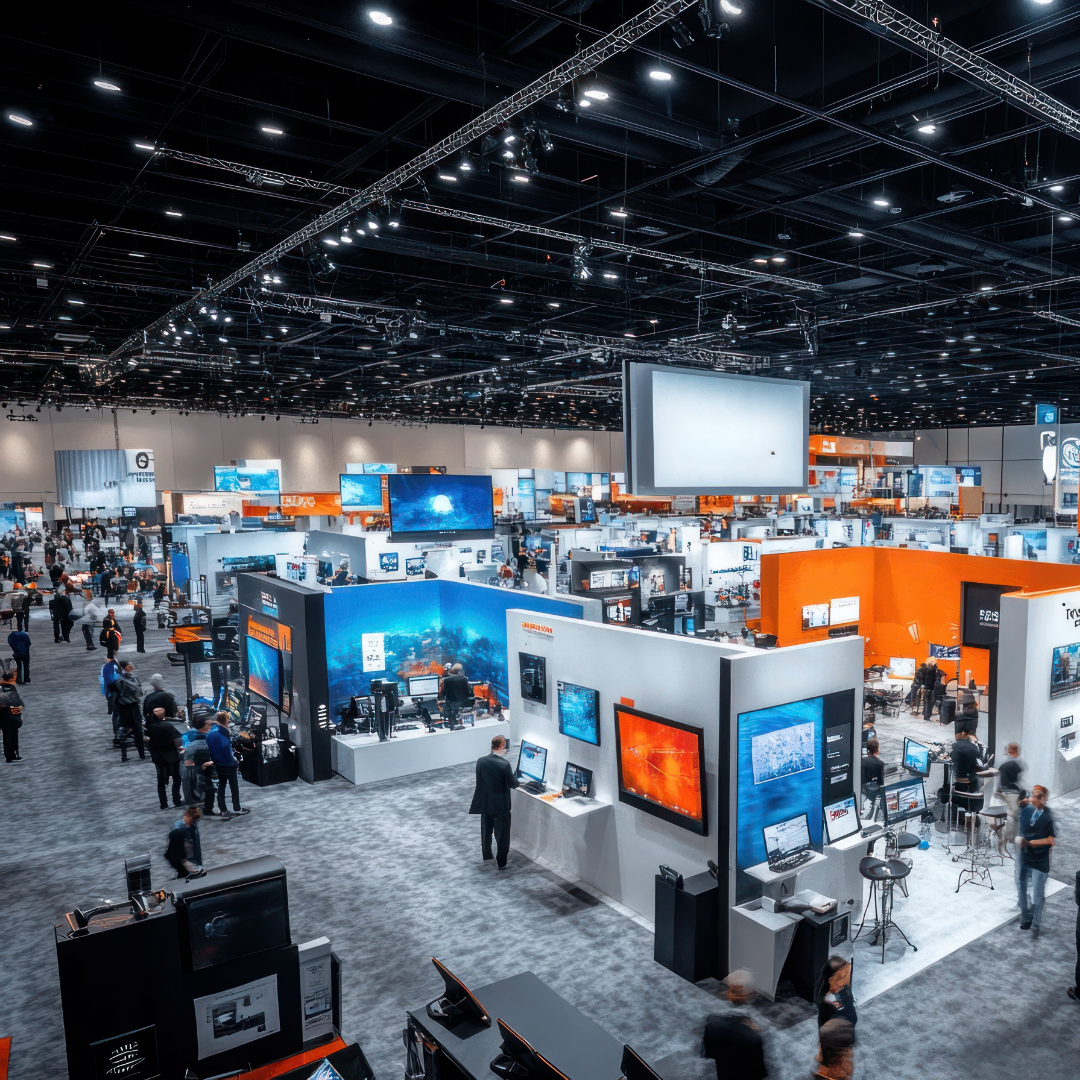
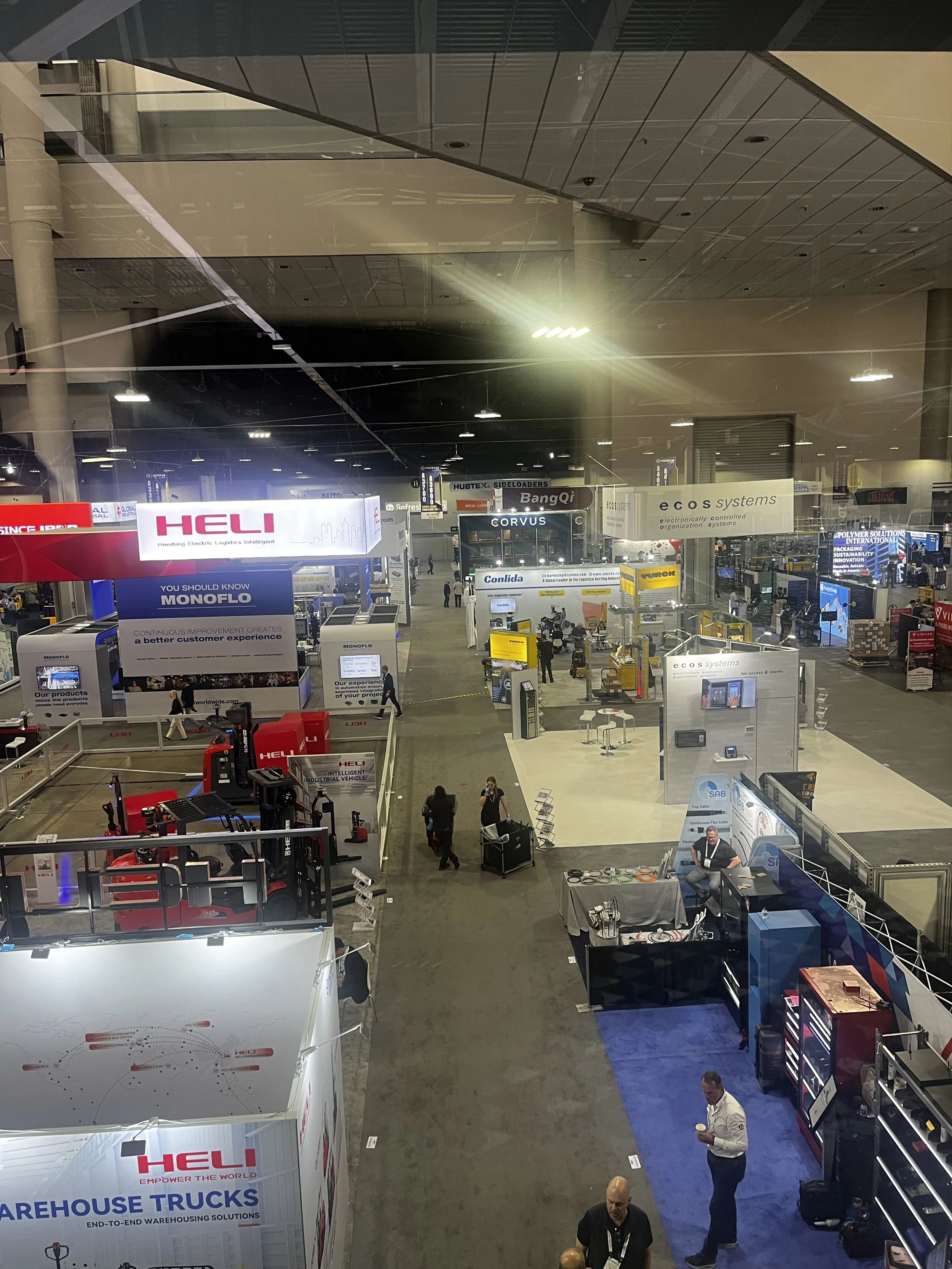
SHOT Show is the largest trade event in the world for the shooting sports, hunting, and law enforcement markets. Tens of thousands of buyers, hundreds of exhibitors, and a buying audience that travels in from every corner of the country to walk the floor.
Harbor BD attended in support of a long-standing client. No booth. No exhibit space. No branded backdrop. Just one operator on the floor with a clear objective: turn the room itself into an outbound channel.
The brief going in was straightforward. Aim for 40-60 real conversations across 3 days. Convert 8-12 of those into strong follow-ups. Walk out with a handful of meetings either booked on-site or queued up for the week after the show. The success metric was not badge scans. It was pipeline.
The Approach
Conversations, Not Pitches
The opening line at every booth was casual. A comment about the show. A question about how the day was going. A genuine reaction to something visible on the floor. The point was never to pitch. It was to get someone to drop their guard for thirty seconds so a real conversation could begin.
Once a back-and-forth was underway, the conversation moved naturally toward how the team in front of us was generating their own pipeline, how their previous shows had performed, and where their current outbound was breaking down. The qualifying questions were embedded inside a normal conversation, not delivered as a script.
This is the part most exhibitors miss. People at trade shows do not want to be sold to. But almost all of them are willing to talk if the entry point is human.
“Most attendees are moving fast and pretty heads down. They’re not stopping unless something actually catches their attention or someone pulls them in. They’re not looking to be sold to, but they are open to talking.”
— Clayton Gilvar, Founder, Harbor BD
Real-Time Qualifying
Real prospects gave themselves away within the first 90 seconds of a conversation. They leaned in. They volunteered context the questions had not asked for. They mentioned an upcoming initiative, a vendor they were already evaluating, or a problem they were actively trying to fix. They asked questions back.
Time sinks were just as easy to identify. Short answers, no detail, no curiosity, no reciprocity. When the operator was the only one carrying the conversation, the conversation was over. Polite exit, move on, free up bandwidth for the next one.
The Booth Conversation That Set Up the Biggest Follow-Up
One of the strongest leads from SHOT did not start with anything resembling a sales conversation. It started with a genuine reaction to a custom-built booth that stood out from everything around it.
When we complimented his booth, the exhibitor lit up. He walked us through how the booth had been designed, what went into building it, and even brought us behind the structure to show details that were not visible from the aisle. By the time the conversation wound back around to what we were actually there to talk about, there was already a relationship in place that would not have existed 5 minutes earlier.
The real value of that conversation showed up later. When the follow-up email went out the following week, it referenced the booth and the conversation by name. It did not feel like a cold outbound message, because it was not one. The reply came quickly, the meeting got booked, and a real opportunity began to take shape.
The Follow-Up Engine
Pipeline is not made on the floor. It is made in the 72 hours after the show ends.
Every conversation at the show was tiered in real time. Strong hand-raisers, lukewarm signal, useful referrals, and not-a-fit, all noted before the next conversation began. By the time the show closed on day 3, the follow-up plan was already half-built.
The first 48 hours after the show were intentionally quiet. Everyone in the building was buried in their own follow-ups; sending a templated email into that pile would have killed the open rate. Instead, day 3 after the show became day 1 of follow-up. Each message referenced something specific from the original conversation. Names, observations, shared moments, or details from a booth visit.
From there, the cadence layered email, LinkedIn, and where the signal warranted it, a call. Top-tier contacts moved toward booked meetings within the first week. Lower tiers received spaced-out touches designed to keep us on their radar without becoming noise.
The Numbers in Context
Fifty floor conversations is not a giant number by trade show standards. It is, however, the right number when the goal is qualified pipeline rather than scan volume. Fifty real conversations beats 500 badge scans every time, and the work of follow-up is dramatically more focused.
Out of those 50 conversations, 11 turned into real follow-ups with a clear next step. Seven meetings were booked on-site or in the immediate aftermath. Another 3 to 4 were booked over the following weeks. Combined, those meetings represented roughly $300,000 - $330,000 in qualified pipeline.
At a typical conversion rate of 30-35%, that translates to roughly $100,000 in expected closed revenue from a single trade show appearance. One operator. Three days. A $5,600 engagement plus approximately $1,200 in travel. Roughly $6,800 all-in. No booth, no swag, no sponsorship spend.
“Most of that came from conversations, not spend. There was no booth, no heavy upfront investment. It was just being intentional on the floor and executing follow-up the right way.”
— Clayton Gilvar, Founder, Harbor BD
Why This Matters For Your Next Show
Most B2B teams treat trade shows as branded marketing investments and measure them on impressions. The companies that consistently win at events treat them as the highest-density outbound environment of the year and measure them on pipeline.
SHOT Show 2026 is the cleanest possible example of what that shift looks like in practice. One person on the floor. A structured way of working a room. A follow-up engine built before leaving Las Vegas. A return profile that does not need to be defended in front of a CFO.
If your team is exhibiting at a major show in the next ninety days, the meaningful question is not whether your booth is big enough. It is whether someone is going to actually work the room.
Planning a show in the next 90 days?
Harbor BD’s Trade Show Business Development Services bring this same playbook to your next event. Pre-show targeting, on-site execution, and thirty days of post-show follow-up. Built for the teams who measure trade shows on pipeline.