
RSAC | CASE STUDY | CYBERSECURITYSame Playbook, Different Industry. The Numbers Held.
How Harbor BD took an outbound trade show approach proven in firearms and made it work for the most crowded room in tech.
Snapshot
Event
RSAC 2026 (RSA Conference)
Industry
Cybersecurity, enterprise IT, and information security
Location
San Francisco, CA | Moscone Center
Dates
March 24–26, 2026
Purpose
Provide on-site support and conduct networking on behalf of an exhibit house.
Team On Site
One Harbor BD operator
Booth
None. Floor-only execution.
Investment
$5,600 for at-show execution and post-show follow-up, plus approximately $1,200 in travel
The Result
-

Qualified Leads Generated
-

Pipeline In Motion
-
Potential Pipeline Generated
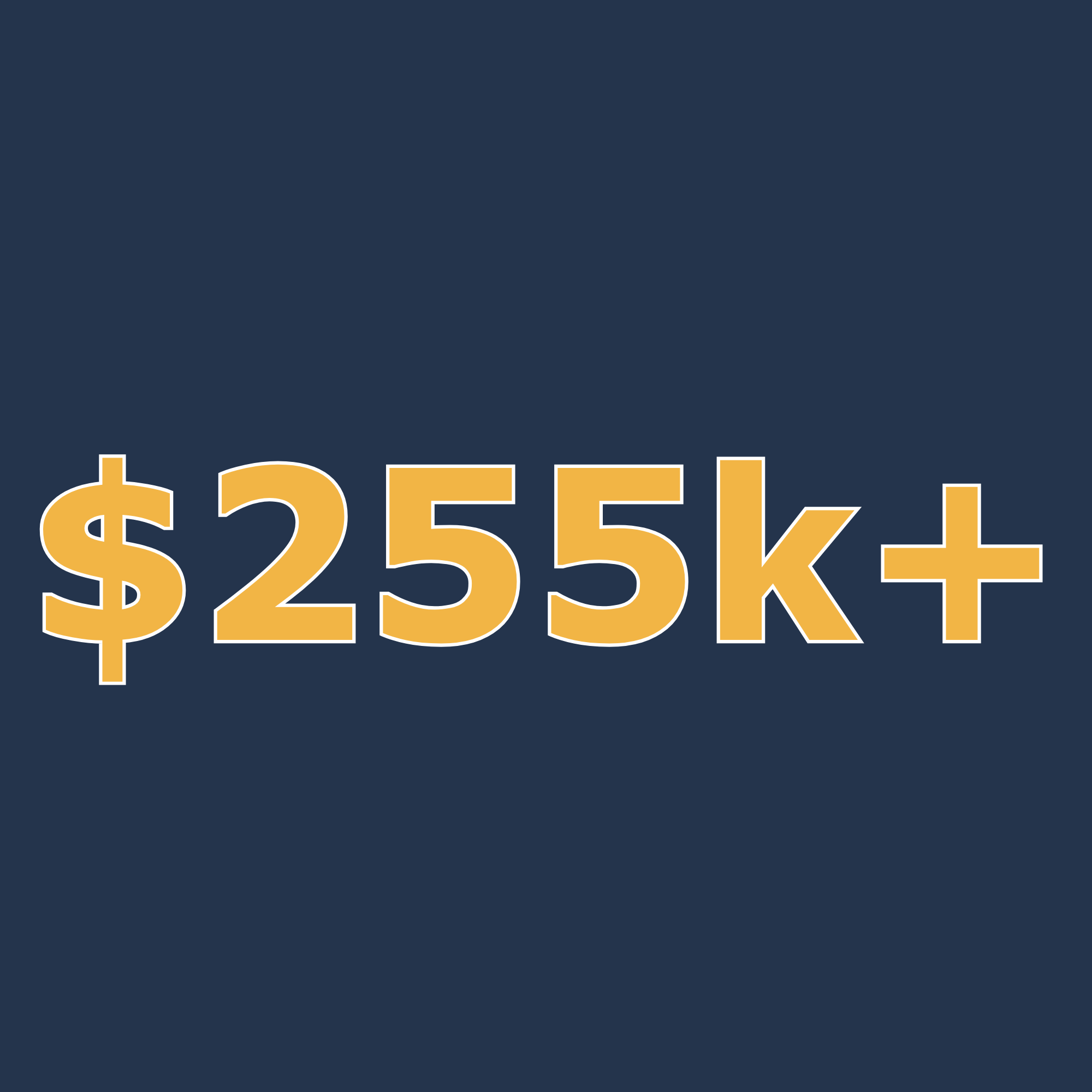
Several conversations have already converted into booked meetings or active evaluations. The remainder are in active follow-up. At similar deal sizes, the upside on those conversations represents another $255,000+ or more in pipeline.
“Same approach worked in a completely different industry, which reinforced that this isn’t industry-specific. It’s behavior-driven.”
— Clayton Gilvar, Founder, Harbor BD
The Setup
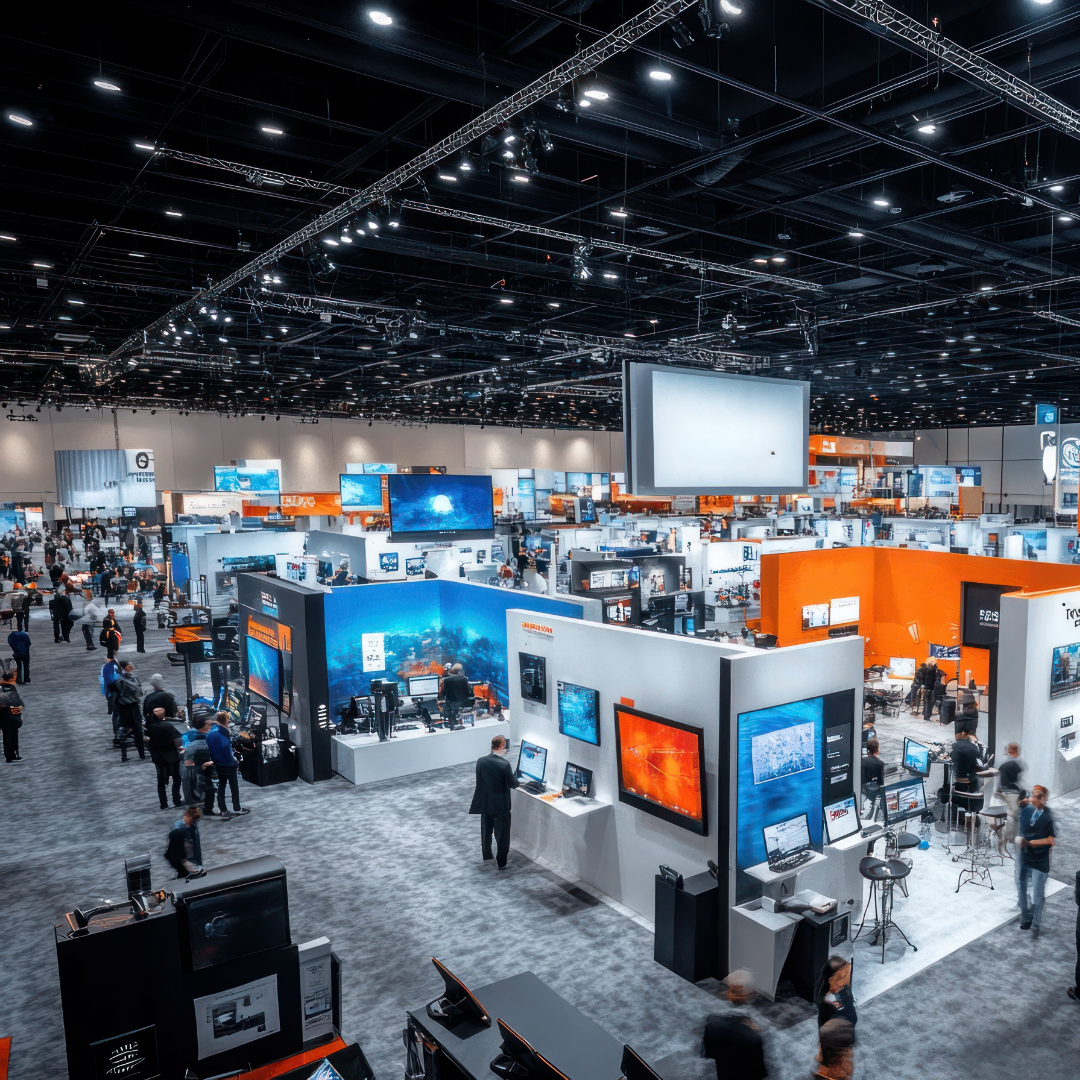
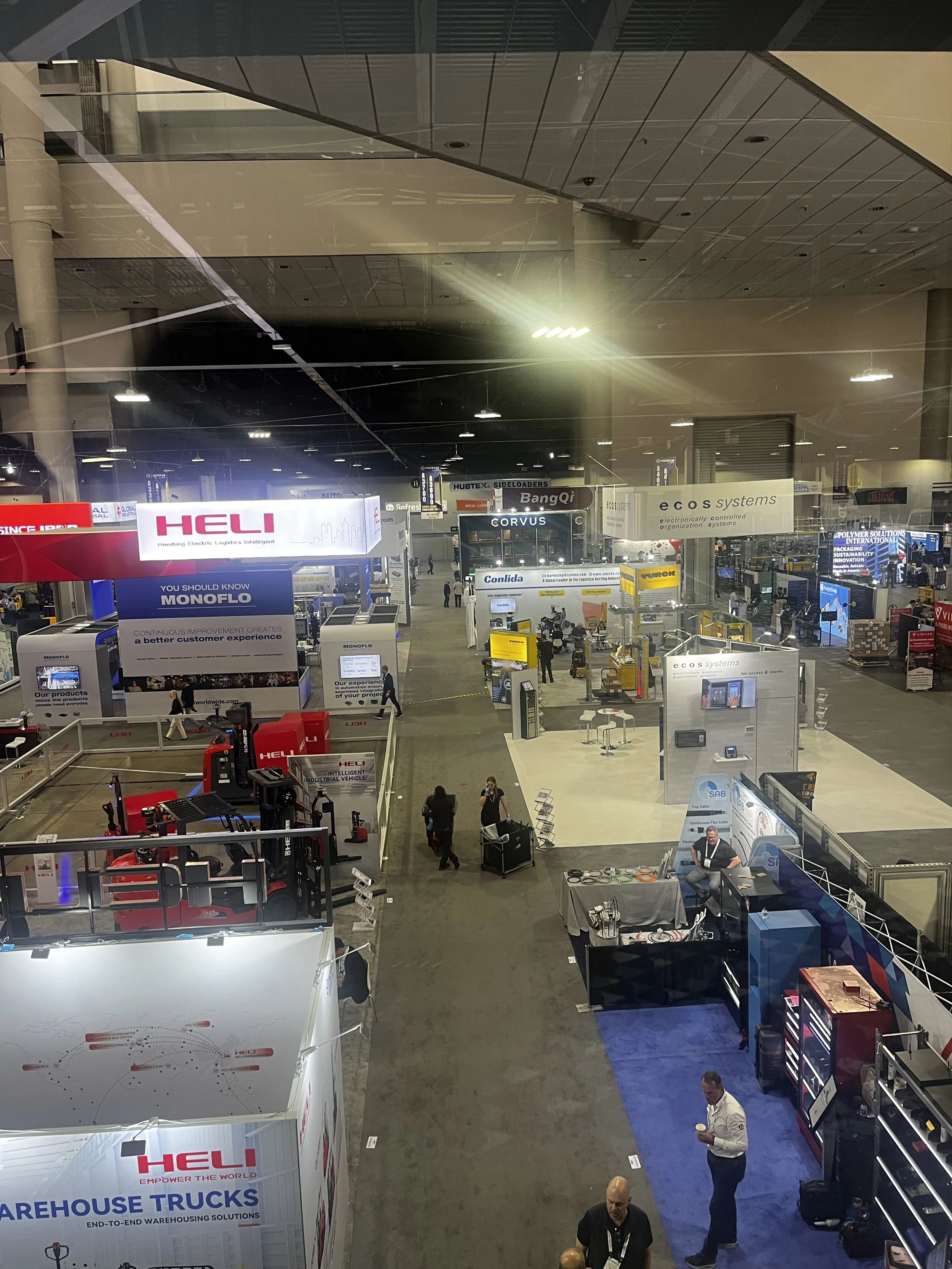
RSAC is the largest cybersecurity event in the world. Tens of thousands of attendees, hundreds of vendors, a budget cycle that the entire enterprise security industry orients around, and a buyer who has been pitched at by every cybersecurity company on the floor before they walk in the door.
It is also one of the noisiest, most saturated buying environments in B2B. Walking the floor at RSAC, the average attendee gets pitched within 10 feet of every booth. Most of those attendees have been to the show before. They know the playbook. They tune it out.
Harbor BD attended in support of a client. Same model as SHOT Show: no booth, no exhibit space, no signage. One operator on the floor, working the room as an outbound channel.
The reason this matters is the contrast. SHOT and RSAC could not be more different from a buyer-behavior standpoint. SHOT is a community event in a regional industry where most exhibitors know each other personally. RSAC is a global enterprise tech event where the buyers are sophisticated, time-constrained, and pitch-fatigued. If the same approach produced results in both rooms, that is meaningful evidence that the playbook is not vertical-specific.
The Approach
Same Structure as SHOT, Adjusted for the Audience
The day-by-day structure was identical. First hour walking the floor to assess and prioritize. The middle of the day was spent moving booth to booth, opening with something casual, and steering each conversation toward the operational reality of how the team in front of us was generating pipeline. The last hour was reserved for circling back to people who had said “catch me later” earlier in the day.
What changed at RSAC was the conversational entry point. Cybersecurity buyers do not warm up to small talk about booth aesthetics the way SHOT exhibitors do. The opening lines were tighter, more business-relevant, and quicker to surface a concrete observation about what was happening on the floor or in the broader market. The same human-first tone, just calibrated for an audience that has less patience for warmup.
Reading the Room
Every cybersecurity vendor at RSAC is selling some flavor of outbound and pipeline pain. That made qualifying signal easier than at most events. Within 90 seconds of any real conversation, the operator could tell whether the team in front of us was hitting their pipeline targets or struggling to generate consistent volume.
The signals were the same as at SHOT. Real prospects leaned in, gave specific context, and asked questions back. Time-sinks stayed surface-level and never volunteered detail. The conversational rhythm of qualification did not need to change for a different industry. The market problem the audience cared about did.
“Real prospects leaned into the conversation, gave context, and asked questions back. Time sinks stayed surface level and didn’t engage beyond basic responses.”
— Clayton Gilvar, Founder, Harbor BD
The Pattern Among Exhibitors
The passivity pattern observed at SHOT was, if anything, more pronounced at RSAC. The booths were larger, the production value higher, the demos more sophisticated. And the team behind the table was more often than not standing in a tight cluster, waiting for foot traffic to convert itself into a conversation.
In a room as crowded as RSAC, that approach is structurally broken. Foot traffic is not a buyer. It is a person walking past your booth on the way to a different booth. If your team is not stepping into the aisle and starting conversations, the show is happening around you, not because of you.
The Follow-Up Engine
The follow-up structure mirrored SHOT exactly. Tier the conversations during the show. Hold the first 48 hours. Lead with something specific and personal on day 3. Layer email, LinkedIn, and where signal warranted it, a call.
Connect rates on post-show outreach were dramatically higher than typical cold outbound. The reason is simple: every message led with a real reference point from a real conversation. The recipient remembered the operator, remembered the booth, remembered the moment. The follow-up was not a cold message; it was a continuation of an in-person conversation.
That delta is the point most B2B teams miss when calculating trade show ROI. The value of a real conversation at an event is not measured by the conversation itself. It is measured by how much faster every subsequent touchpoint moves once it is in motion.
The Numbers in Context
RSAC produced 6-7 strong opportunities from the floor. Of those, several have already progressed into booked meetings or active evaluations. Roughly $75,000 in pipeline is already attached to deals that are in motion. The remaining conversations represent another t$255,000 or more in potential pipeline at similar deal sizes if they convert at the same rate as the early ones.
On a $5,600 engagement plus roughly $1,200 in travel, that is a return profile that does not need to be defended in front of a CFO. Even if only the confirmed portion materializes, the show pays for itself many times over. The remaining upside is bonus.
The harder question, and the one most exhibitors should actually be asking, is what the same engagement would have produced with a structured pre-show outbound campaign attached to it. The answer, based on what we are seeing across multiple shows, is that the floor results are the floor of the opportunity, not the ceiling.
“Already $75K in pipeline tied to deals that are in motion, with another $255K+ in potential pipeline if the remaining conversations convert into meetings.”
— Clayton Gilvar, Founder, Harbor BD
What Was Different About RSAC
Three things stood out about RSAC compared to other shows we have worked.
First, buyer sophistication is much higher. Cybersecurity buyers are professional evaluators. They have seen every pitch, run every demo, and learned to disqualify within the first 3 sentences. The operator has a smaller window to demonstrate that the conversation is going to be different from every other one they have had that day. The opening line carries more weight.
Second, the channel intelligence we picked up was high-signal. Several attendees, completely unprompted, mentioned that LinkedIn was the only outbound channel that reliably reached them anymore. Email volume had become unmanageable. Phone outreach was rare and often ignored. That kind of channel-preference signal, gathered live from the buyer’s mouth, is the type of intelligence that no amount of cold outbound or third-party data could surface.
Third, the time-to-meeting after the show was faster than typical cold outbound by a significant margin. Conversations that would have taken 4-6 touches to start now took 1 or 2. The compression effect of a real in-person interaction was even more pronounced in a market this saturated than in a regional industry like SHOT Show.
What Worked, What We Would Change
What Worked
Treating the floor as an outbound environment, with the operator stepping into the aisle rather than waiting at a booth.
Calibrating the conversational opening for a more sophisticated, time-constrained audience.
Using floor conversations to gather channel-preference intelligence that informs every subsequent outbound campaign.
Rapid post-show segmentation and tiering, which made follow-up dramatically more focused.
Personal, specific follow-up that referenced something concrete from the original conversation.
What We Learned
Build a structured target list before the show, focused on confirmed attendees rather than the full RSAC exhibitor directory.
Run a 4-to-6 week pre-show outbound campaign to book meetings on the calendar before arrival.
Add a second operator to expand floor coverage during the busiest hours of the conference.
Pair every floor conversation with a same-day LinkedIn touch given how clearly the audience signaled that as their preferred channel.
The Repeatable Lesson
The most important thing RSAC proved was not the pipeline number. It was the cross-vertical durability of the playbook.
The exact same structure that produced $300,000+ in pipeline at SHOT Show, working with firearms and outdoor industry buyers, produced a comparable opportunity profile at the largest cybersecurity event in the world. Two completely different industries. Two completely different buyer profiles. The same operator, the same approach, the same results pattern.
Trade shows are not just industry events, but also buyer environments. Buyer behavior at events follows a small number of recognizable patterns regardless of what the booths are selling. Once you have a system for working those patterns, the system travels.
Planning a show in the next 90 days?
Harbor BD’s Trade Show Business Development Services bring this same playbook to your next event. Pre-show targeting, on-site execution, and thirty days of post-show follow-up. Built for the teams who measure trade shows on pipeline.