
Three Shows. Three Industries. One Playbook That Worked.
Over the first four months of 2026, I worked three trade shows that, on paper, have absolutely nothing to do with each other.
SHOT Show in January. Firearms, hunting, outdoor, and law enforcement. Las Vegas. Roughly 50,000 people walking the floor of two convention centers connected by a sky bridge.
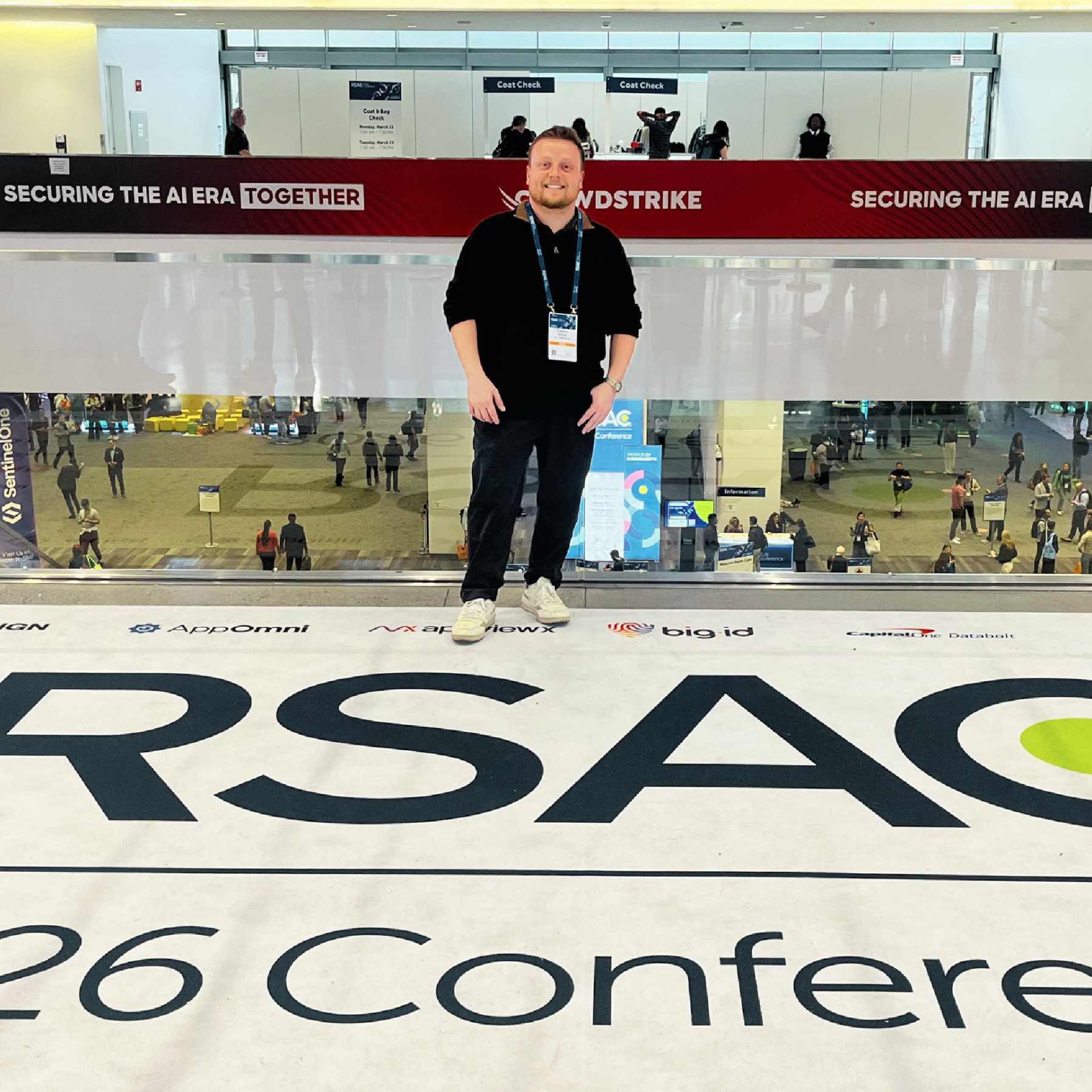
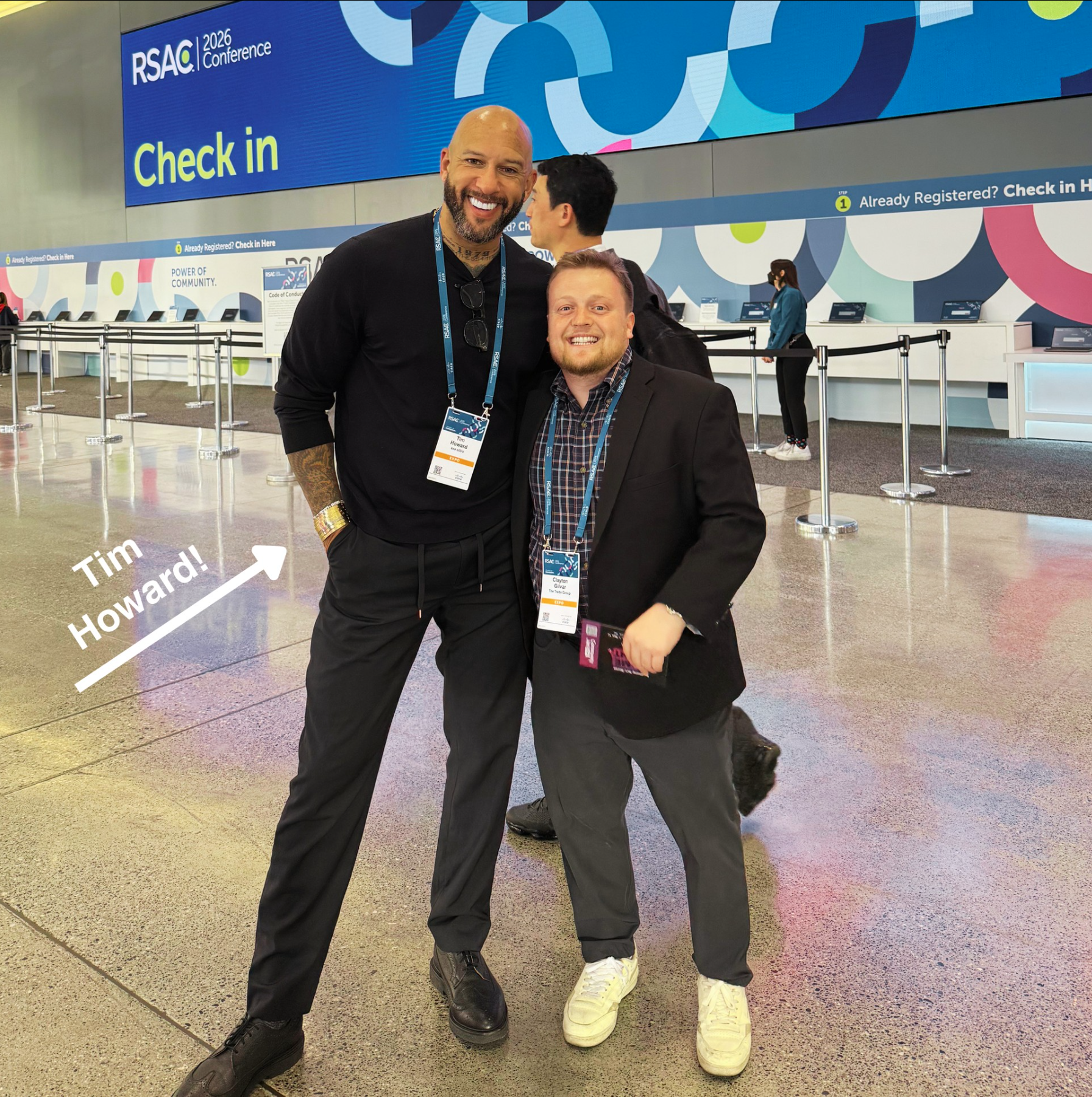
RSAC in March. Cybersecurity. San Francisco. The largest cybersecurity event in the world, and probably the most pitched-at audience in B2B.
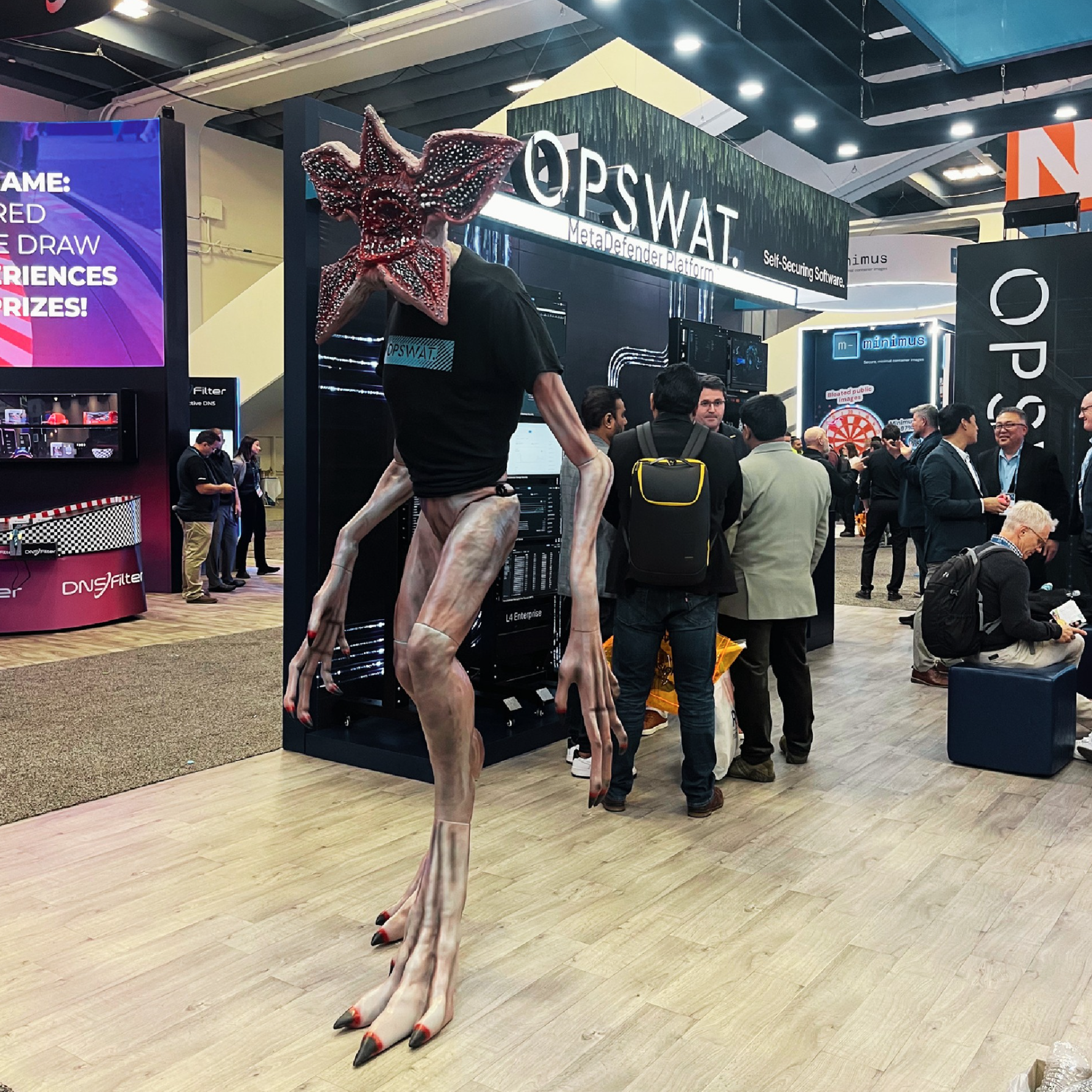
MODEX in April. Supply chain, material handling, manufacturing, logistics. Atlanta. Tens of thousands of operations leaders evaluating everything from automation systems to last-mile fulfillment partners.
Three completely different industries. Three completely different buyer profiles. The same operator on the floor with no booth, no signage, no branded swag, and the same approach at every show.
Here is what came out of it, and what it means for how your team should think about its next event.
The Numbers
SHOT Show. Fifty floor conversations. Eleven real follow-ups. Seven meetings booked on-site or immediately after. Three to four more booked post-show. Roughly $300K to $330K in qualified pipeline. At a 30-35% conversion rate, about $100K in expected closed revenue from a single trade show appearance.
RSAC. Six to seven strong opportunities from the floor. Several already converted into booked meetings or active evaluations. Roughly $75K in pipeline already in motion, with another $255K+ in potential pipeline if the remaining conversations convert at similar rates.
MODEX. Eighty-six floor conversations. Fourteen strong leads. Six meetings booked. One confirmed Harbor BD opportunity already in motion, plus around $300K in additional pipeline from opportunistic client conversations on the final day.
Different industries. Different deal sizes. Different buyer behaviors. Same outcome pattern.
Three shows across three very different industries started to reveal a repeatable pattern.
The Thesis
Most exhibitor advice is industry-specific. Books, posts, and conference talks about how to win at SHOT, how to win at RSAC, how to win at MODEX. The advice changes vertical by vertical. The booth design changes. The collateral changes. The opening line changes.
What I saw at all three shows is that the underlying behavior of buyers at trade shows is almost identical regardless of industry.
Buyers at SHOT moved fast and were heads down. So were buyers at RSAC. So were buyers at MODEX. They scanned booths as they walked. They did not stop unless something gave them a reason to. They tuned out anything that felt like a pitch in the first ten seconds. They opened up when someone treated them like a person instead of a target.
That is the real takeaway. Trade shows are not industry events. They are buyer environments. Buyer behavior at events follows a small number of recognizable patterns no matter what the booths are selling. Once you have a system for working those patterns, the system travels.
What Most Exhibitors Get Wrong
The most consistent thing I saw across all three shows was passivity.
Companies will spend $30K, $50K, sometimes $100K on a trade show presence. The booth. The flights. The team. The sponsorship. They pre-build the swag. They print the collateral. They plan the demos.
And then nobody actually works the room.
I watched it at every show. Booths with six people behind them, all standing in a tight cluster, talking to each other. Demos running on monitors with nobody in front of them. Reps on their phones. Reps eating lunch at the booth. Reps waiting for someone to walk up and start a conversation.
Meanwhile, the buyer they are trying to reach is walking past their booth every ten minutes, on the way to a different booth where the same thing is happening. Both teams hoping the other side will make the first move.
That is the thing about trade show ROI. It is not a mystery. It is an execution problem.
The conversations are there. The decision-makers are there. The compressed buying context that normally takes weeks of outbound to build is handed to you in a handshake. But someone has to start the conversation. That is the part most teams skip.
“Most exhibitors are waiting for conversations instead of creating them. That single behavioral pattern is the largest determinant of who walks out of a show with a follow-up list and who walks out with a stack of business cards that will never be touched again.”
— Clayton Gilvar, Founder, Harbor BD
What Winning Looks Like Instead
The companies that consistently produce pipeline at trade shows do three things differently.
They treat the floor as the highest-density outbound environment of their year, not as a venue. The minute their team walks onto the floor, they are inside a room where their entire ICP is in the building, decision-makers are within walking distance, and buying context that normally takes weeks of outreach to surface is sitting across from them in a handshake. That mindset shift does most of the work.
They open like humans, not like sales reps. The opening line at every booth is casual. A comment about the show. A question about how the day is going. A genuine reaction to something visible on the floor. The point is never to pitch. It is to get someone to drop their guard for thirty seconds so a real conversation can begin. People at trade shows do not want to be sold to. But almost all of them are willing to talk if the entry point is human.
And they manage the conversation, not the booth. Real prospects give themselves away inside the first ninety seconds. They lean in. They volunteer context. They ask questions back. Time-sinks are just as easy to identify, and the discipline to politely exit and free up bandwidth for the next conversation is what makes the volume math work.
Most teams know all of this. The reason it does not happen is structural. The team you sent to the show is the team that runs your sales process the rest of the year, and they are wired for closing meetings, not for working a room. Trade show floor execution requires a different rhythm than a traditional closing cycle. They are the things a high-performing BDR does every day.
Where the Pipeline Actually Gets Made
Here is the part most B2B teams miss when calculating trade show ROI.
Pipeline is not made on the floor. It is made in the seventy-two hours after the floor.
Every conversation at every show I worked was tiered in real time. Strong hand-raisers, lukewarm signal, useful referrals, and not-a-fit, all noted before the next conversation began. By the time the show closed on the final day, the follow-up plan was already half-built.
The first forty-eight hours after the show were intentionally quiet. Everyone in the building was buried in their own follow-ups, and a templated message into that pile dies on contact. Day three after the show became day one of follow-up. Each message led with something specific from the original conversation. A name, a moment, a detail from the booth, a comment they made. The recipient remembered the operator. The follow-up became a continuation, not a cold open.
That is what compresses the time-to-meeting after a show into a fraction of what cold outbound takes. The compression effect of a real in-person interaction is the entire reason events produce pipeline at all. And the exhibitors who lose the show are the ones who try to sort their stack of business cards on the plane home.
The Conversations That Do Not Happen at Booths
One of the cleanest reminders that trade shows are bigger than their floor came at MODEX.
End of the day. We were sitting in a waiting area outside the convention center, waiting for a ride. Started a casual conversation with someone nearby. Within minutes, it was a real one. The signal was there, the right contact was already in front of us, and a follow-up went out that same evening. Meeting on the calendar by the next morning. That conversation is now an active opportunity that looks likely to convert.
It happened again at SHOT. A booth conversation that started with me commenting on a custom-built booth (genuinely, it was the best-looking booth I saw all week) led to the exhibitor walking me behind it to show me the build. By the time the conversation came back around to what we were both there to do, there was a real relationship in place that would not have existed five minutes earlier. That ended up being the strongest follow-up of the show.
The official surface area of a trade show is the floor. The actual surface area is everywhere within walking distance of the convention center. Coffee lines. Registration queues. Hotel lobbies. Waiting areas. Lunch spots. Any team that is only working the booth is working roughly half of the available opportunity.
The Math, Specifically
Let us talk about what this actually looks like on a P&L.
SHOT Show was a client engagement. Total cost: $5,600 for at-show execution and post-show follow-up, plus roughly $1,200 in travel. About $6,800 all-in. Output: $300K-plus in qualified pipeline, with expected closed revenue around $100K at a conservative conversion rate. That is a 44x return on pipeline and roughly 15x on expected revenue.
RSAC was a client engagement on the same model. Same approximate cost structure. Output: $75K already in motion plus $255K-plus in potential pipeline as conversations convert. Even at the conservative end, the show pays for itself many times over before any of the upside materializes.
MODEX was different. We did not attend that one for a client. We attended it for ourselves. Manufacturing and supply chain make up a meaningful portion of Harbor BD’s ICP, so we ran our own playbook for our own pipeline. Total cost: roughly $700 in travel. Output: a confirmed Harbor BD opportunity already in motion, plus an additional $300K in client pipeline from opportunistic conversations along the way.
The economics are not the most interesting part of this story. The fact that the same playbook worked across three different industries with three different cost profiles is the more important finding. The system is not vertical-specific. It is not budget-specific. It is execution-specific.
Introducing Harbor BD Trade Show Outbound Services
After SHOT, we knew the model worked. After RSAC, we knew it traveled. After MODEX, we knew it produced just as well when we ran it on ourselves.
So we formalized it. Harbor BD now offers Trade Show Outbound Services as a defined product, separate from our standard BDR programs. It is built for B2B teams who want trade show pipeline without the trade show overhead, or who want to make the substantial investment they already have in their booth and team actually pay back.
The shape of the offering is straightforward.
Pre-Show Targeting and Outbound
Executed in the four to six weeks leading up to the event. Harbor BD builds the target list, runs the pre-show outreach, and books meetings on the calendar before the operator ever steps on the floor. This is the single biggest lever for making event ROI predictable instead of opportunistic, and it is the part most exhibitors execute the worst.
On-Site Floor Execution
One Harbor BD operator working the floor the way I worked SHOT, RSAC, and MODEX. No booth required. The operator walks the floor as an outbound channel, qualifies in real time, and tiers every conversation before the next one begins. Every interaction is logged and prepared for the follow-up engine.
Thirty Days of Post-Show Follow-Up
Tiered cadences across email, LinkedIn, and phone, with personalized messaging tied to the original conversation. This is where most trade show ROI is actually made, and it is the part most exhibitors abandon by week two. Harbor BD runs the full thirty-day cycle while you focus on closing the meetings it produces.
Who This Is For
Trade Show Outbound Services are not for every exhibitor. Two profiles tend to fit cleanly.
The first is the company spending six figures on a booth, a team, and a sponsorship, and consistently disappointed in the pipeline output. They have the investment. They do not have the floor execution. Adding a Harbor BD operator to their show is not additive spend. It is a relatively small line item that unlocks the return on the spend they have already committed.
The second is the company that wants the trade show pipeline without the trade show overhead. No booth. No team to fly in. No sponsorship costs. Just a Harbor BD operator working the floor on their behalf, with full pre-show targeting and post-show follow-up. This is what we ran at SHOT and RSAC, and it produced the numbers in this article. For companies whose buyers attend the show but who do not want to commit to exhibiting, this is a different shape of investment that produces a different shape of result.
Either profile, the math holds. The conversations at trade shows are real. The buying signal is real. The compression effect on the pipeline is real. The only question is whether someone on your team is going to actually work the room.
The Single Sentence Version
Most exhibitors are waiting for conversations instead of creating them.
The companies that win at events are the ones who understand that the floor is an outbound environment, not an inbound one.Booths create opportunity. Conversations and follow-up determine whether that investment becomes pipeline. Most of the value happens in the thirty days after the show, not during it.
Three shows. Three industries. Same playbook. Same outcome pattern.
If your team is preparing for a trade show in any vertical, the meaningful question is not how big your booth needs to be. It is whether someone is going to actually work the room.
Got a show on the calendar?
Harbor BD Trade Show Outbound Services bring this same playbook to your next event. Pre-show targeting, on-site execution, and thirty days of post-show follow-up. Built for teams who measure trade shows on pipeline.